«Loros, perezosos, monos, caimanes, pizotes, sainos, aves en abundancia, y más.
Cada día era una aventura»
howiethefriedman, San José, California, January 23, 2018
Cada día era una aventura»

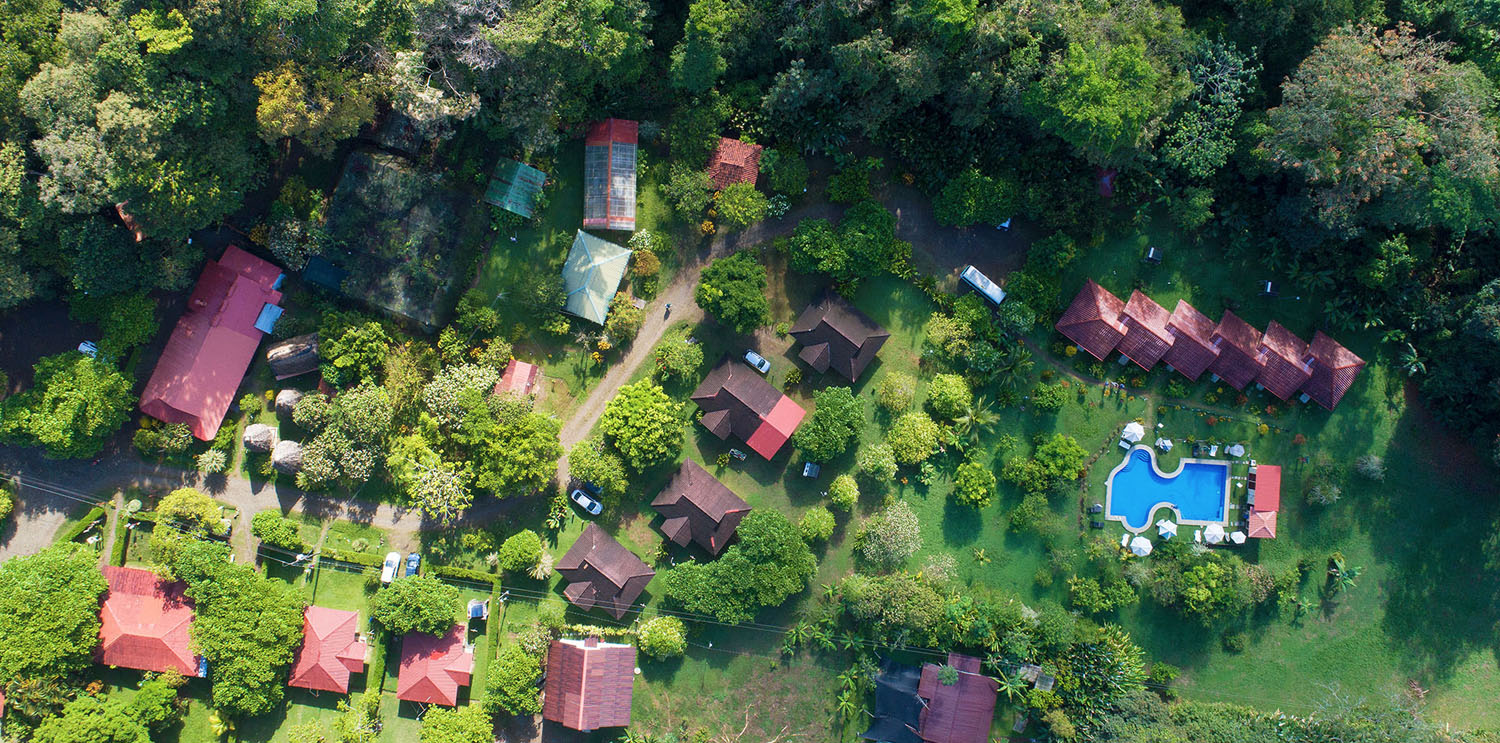
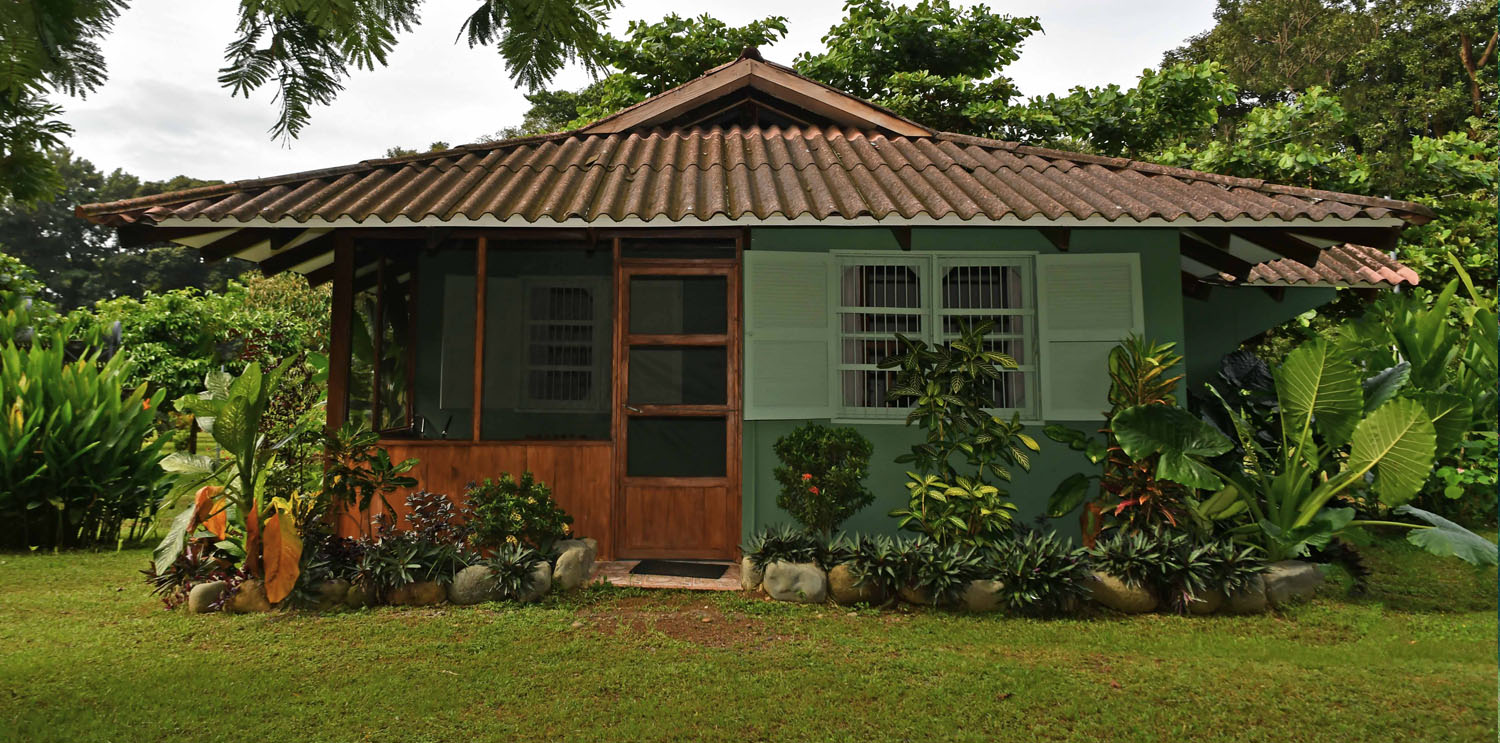
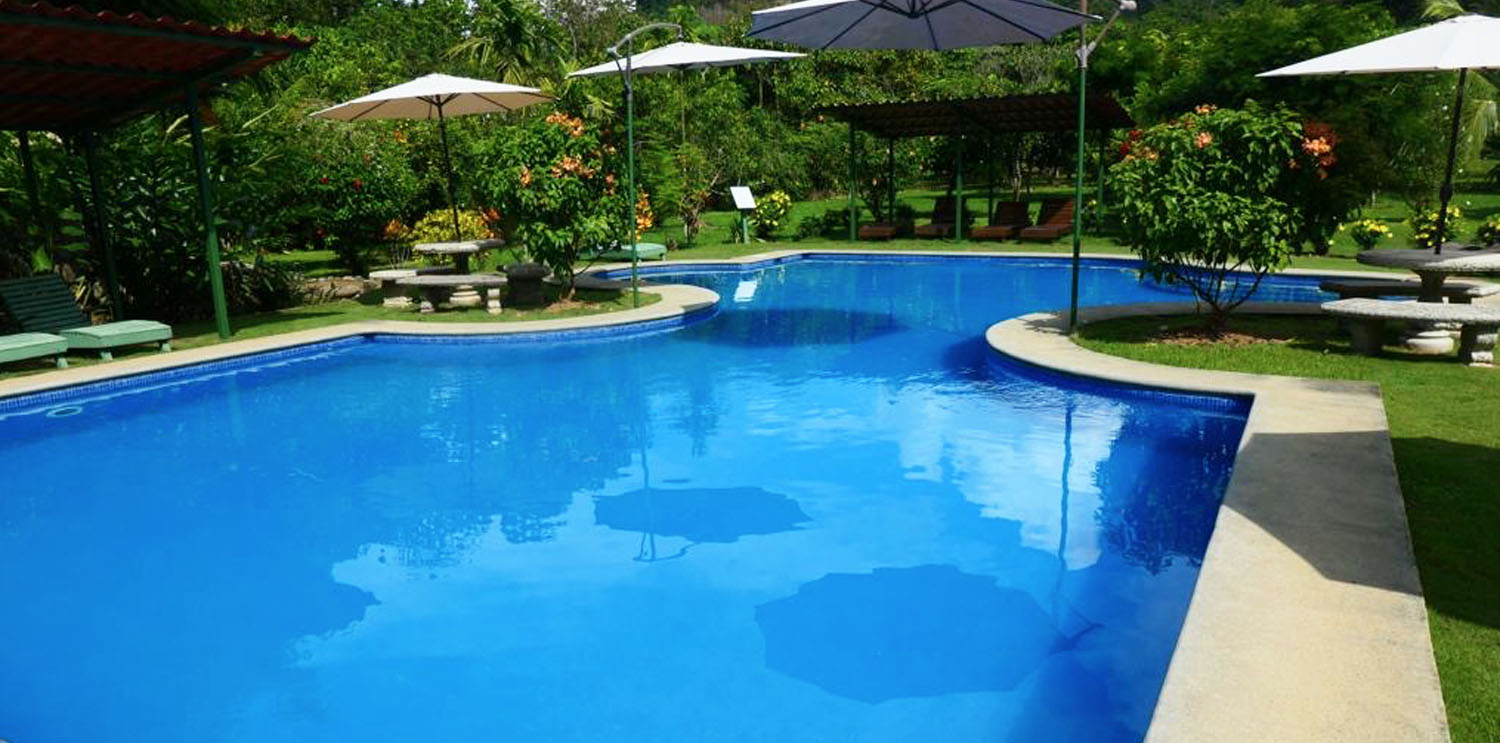
El Eco Lodge está rodeado por el Refugio Nacional de Vida Silvestre Barú, que conserva 330 hectáreas (815 acres) de selva tropical, manglares, humedales, riberas y playas. Esta amplia variedad de ecosistemas significa un alto nivel de biodiversidad, y es por eso que los observadores de aves han avistado más de 365 especies en el refugio. Las seis cabañas y seis habitaciones con vista a la piscina son muy bonitas y cómodas.
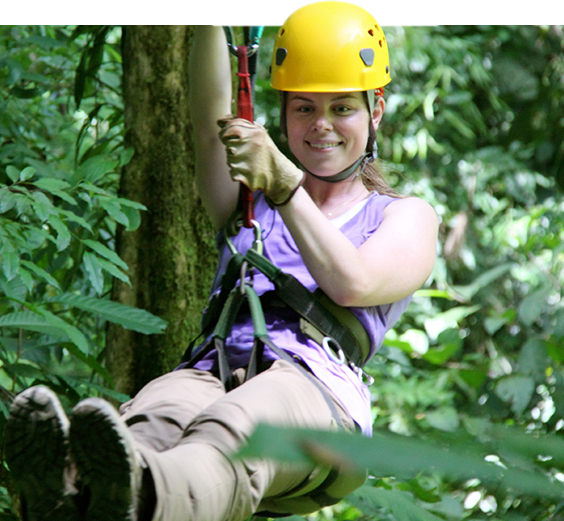
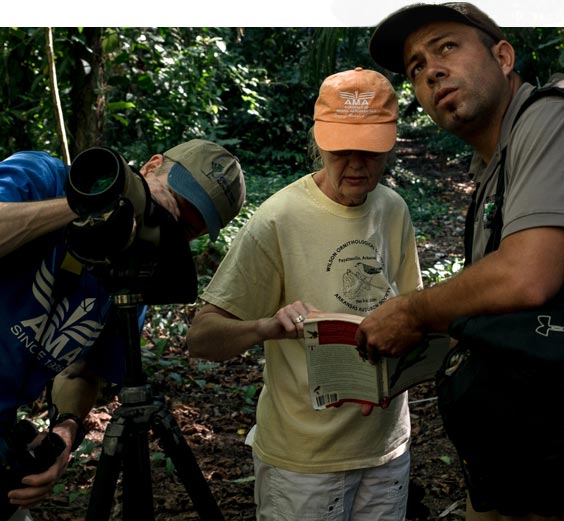
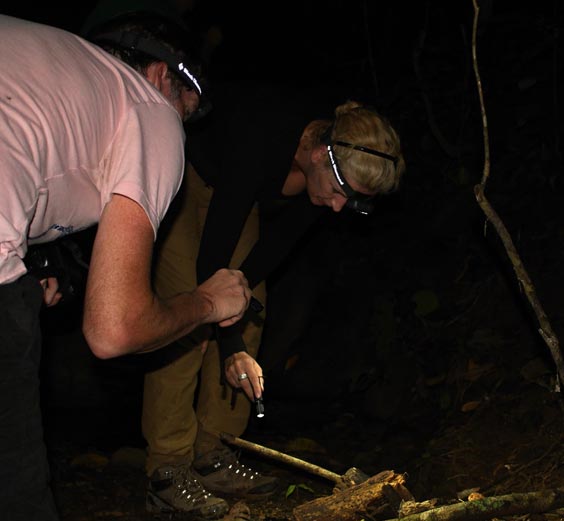
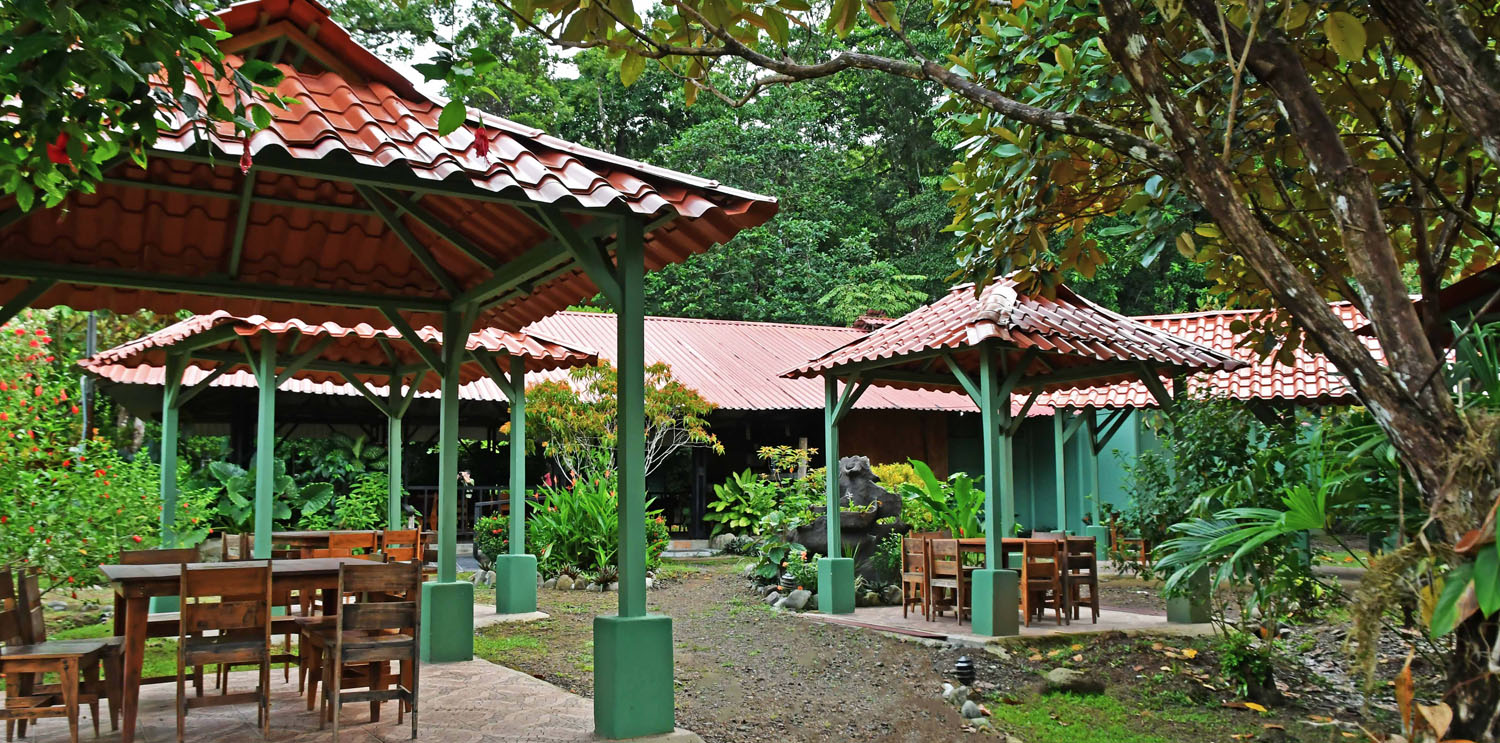
El restaurante sirve deliciosos platos típicos de Costa Rica a precios populares. Dentro de los jardines que rodean el albergue encontrará un jardín de orquídeas y una torre de observación de aves. Hay once recorridos ecológicos disponibles que incluyen recorridos por el dosel del bosque lluvioso, caminatas, recorridos nocturnos y tours de observación de aves. Hacienda Baru lleva más de 30 años dirigido al turismo ecológico y observación de aves en Costa Rica.