Conservation

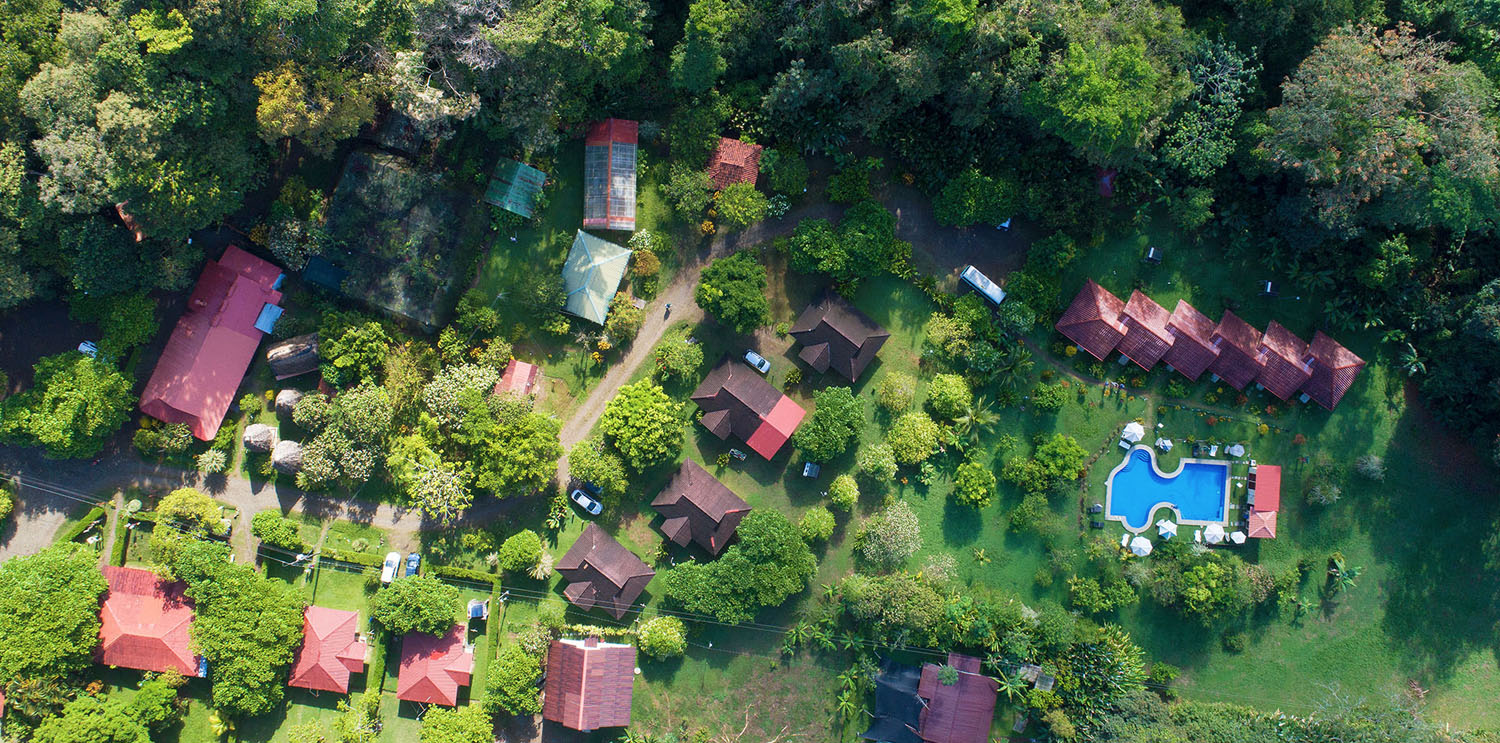
Hacienda Barú`s 330 hectares (815 acres) was declared a National Wildlife Refuge in 1995 by the then president of Costa Rica, Jose Figuires. Up until the mid 1980´s around 50% of the Hacienda was farmed, beef and rice and cacao being the main modes of production. The remaining land was left as forest, being too steep for farming or pasture. In 1985 we planted 8 hectares (20 acres) of teak trees.

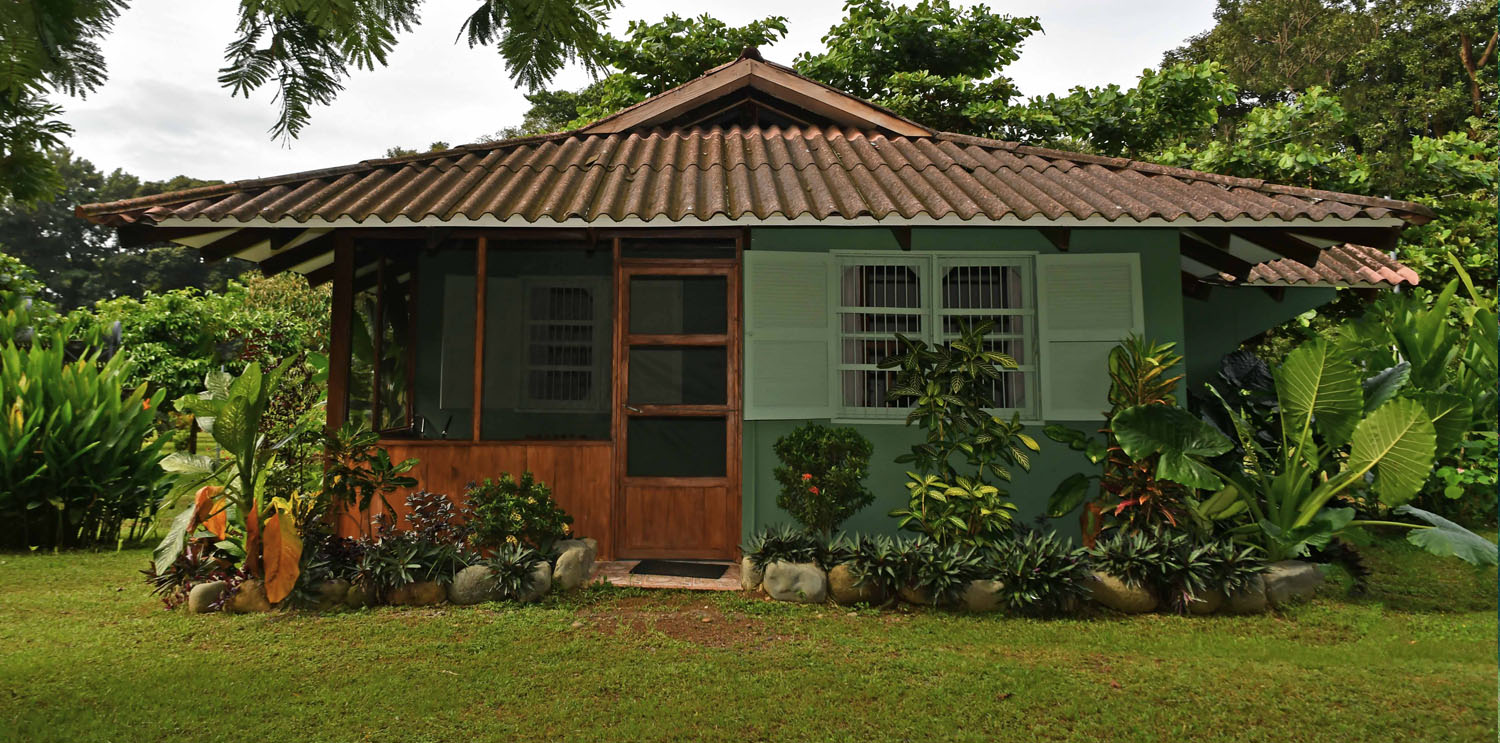
Today there is little evidence of the Hacienda's former, incarnation, dense secondary forest having grown up where the cattle once roamed. The plantations still exist, but nowadays the Cacao is harvested by the monkeys. The Teak is our source of wood for all construction on the Hacienda; a guaranteed sustainable resource which means we can leave the forest to the wildlife.

Areas of forest that were once islands of habitat, separated by open pastures, are now connected by the secondary forest that has grown up across the coastal plain. The Monkeys can now roam freely all over the Hacienda and the Sloths have finally found their way back down into the lowland after nearly 4 decades of absence.

The regeneration of forest on the Hacienda has been a fascinating process to watch. For example how just a single line of trees along a fence can make all the difference to the safe passage of arboreal animals from one forest to another. The line of trees forms a “corridor” meaning the animals do not have to risk the traveling across the ground.

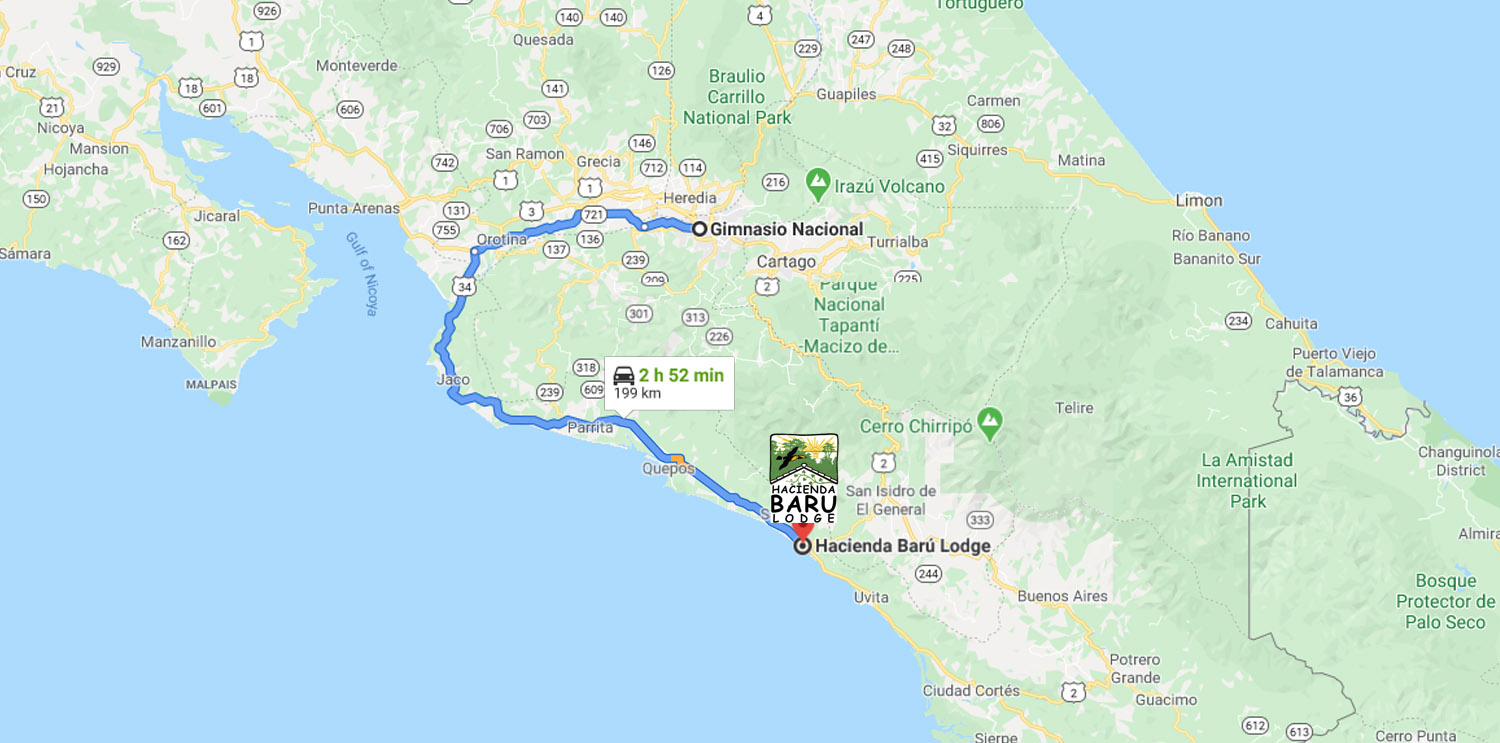
Hacienda Barú itself is now part of a much bigger forest corridor initiative,“The Path of the Tapir Biological Corridor”. This HAcienda Baruambitious project stretches 100 Km along the Pacific coast from Corcovado National Park up to Manuel Antonio National Park and Los Santos Forest Reserve. Just as the fence line of trees joined isolated patches of forest together, The Path of the Tapir hopes to create a corridor of forest joining these National Parks and Reserves. Jaguar and Tapir no-longer reside on Hacienda Barú, but can still be found in Corcovado and Los Santos. The hope is that one day we will see these animals pass through this land once again. The path of the Tapir Biological Corridor initiative is run by local conservation organization ASANA. For more information go to their web page through our LINKS section.

Hacienda Barú and ASANA welcome scientific research which will support our conservation efforts.

Hacienda Barú

1972

2002

Old Image hacienda baru Actual Hacienda Baru
   

Check out our species list.

Tel. (in C. R.): (506) 2787-0003
Fax (in C. R.): (506) 2787-0057
Email: info@haciendabaru.com

Focussed in Birdwatching Costa Rica and Ecotourism